

What Are Corner Sofas and Why Are They Popular?
Corner sofas are L-shaped seating arrangements designed to fit snugly into room corners, making them a popular furniture choice for homes of all sizes. They’ve become a go-to solution for anyone looking to maximize both seating capacity and floor space efficiency.
The appeal lies in their dual functionality. Unlike traditional straight sofas that leave corners empty and underutilized, leather corner sofas transform these awkward spaces into comfortable seating zones. A standard three-seater might accommodate three people comfortably, while a corner sofa in the same footprint can easily seat five to seven.
Space optimization drives much of their popularity. In compact apartments where every square foot matters, these sofas eliminate the need for multiple seating pieces. You get a cohesive look without cluttering your room with separate chairs or loveseats scattered around.
The aesthetic impact shouldn’t be overlooked either. Corner sofas create natural focal points that anchor a room’s design. They define living areas in open-plan spaces, establish conversation zones, and provide visual balance that makes rooms feel intentionally designed rather than haphazardly furnished.
Modern lifestyles demand flexibility, and corner sofas deliver. They accommodate everything from family movie nights to hosting dinner parties. The extended seating encourages social interaction by bringing people together in a unified space rather than isolating them on separate furniture pieces.
Their versatility extends to design compatibility. Whether your style leans toward minimalist Scandinavian, plush contemporary, or classic traditional, you’ll find corner sofas that complement your aesthetic while serving practical needs.
What Are the Different Types of Corner Sofas Available in the Market?
The market offers four main types of corner sofas, each designed to meet specific spatial and functional requirements. L-shaped sofas, modular sofas, sectional sofas, and sofa beds represent the primary categories available to homeowners seeking corner seating solutions.
L-Shaped Sofas: Classic Configurations
L-shaped sofas feature a distinctive perpendicular design that forms a natural corner arrangement. These pieces come in several variations:
- Classic couches with chaise extend one side of the sofa into a longer lounging area, perfect for stretching out while watching television or reading. The chaise component typically measures between 60-75 inches, providing full-body comfort for one person.
- Cushion-backed L-shaped sofas prioritize seating capacity over lounging space, offering deep seats and plush back cushions across both arms of the “L.” These designs accommodate 5-7 people comfortably, making them ideal for families or frequent entertainers.
- Recliner-equipped L-shaped sofas integrate mechanical or manual reclining mechanisms into one or both sections. Some models feature power recliners with USB charging ports, combining relaxation with modern convenience.
Modular Sofas: Flexible Arrangements
Modular sofas consist of independent sections that connect through brackets, clips, or interlocking bases. Each module—whether a corner piece, armless chair, or ottoman—functions as a standalone unit that combines with others to create custom configurations.
The flexibility of modular designs allows homeowners to:
- Rearrange sections to accommodate room changes or renovations
- Add units as families grow or entertaining needs expand
- Remove pieces for easier moving or cleaning
- Create L-shapes, U-shapes, or straight configurations depending on space requirements
A typical modular set includes 4-6 pieces, though manufacturers offer individual modules for purchase, enabling gradual collection building or replacement of worn sections.
Sectional Sofas: Customizable Components
Sectional sofas share similarities with modular designs but typically come as pre-configured sets with specific pieces intended to work together. The key distinction lies in their design philosophy: sectionals are planned arrangements while modulars prioritize adaptability based on user preferences and needs.
How Do Corner Sofas Maximize Space in Small Rooms or Apartments?
Corner sofas transform awkward angles into functional seating areas, making them ideal space-saving furniture for compact living environments. By fitting snugly into corners, these pieces free up valuable floor space that would otherwise remain underutilized with traditional straight sofas.
The L-shaped configuration works particularly well in studio apartments and small living rooms because it provides substantial seating without overwhelming the room. A standard three-seater sofa paired with a separate armchair typically requires more square footage than a single corner unit offering equivalent or greater seating capacity.
Key space-saving advantages include:
- Eliminates dead space in room corners that typically go unused
- Reduces furniture footprint by combining multiple seating pieces into one cohesive unit
- Creates natural traffic flow by keeping walkways clear and unobstructed
- Provides storage options with many models featuring built-in compartments beneath seats
L-shaped designs excel as efficient seating solutions because they anchor a room without blocking sightlines. The perpendicular arrangement allows residents to maintain visual openness across the space, preventing the cramped feeling that multiple separate furniture pieces can create. A corner sofa positioned against two walls leaves the center of the room open for coffee tables, play areas, or simply breathing room.
The vertical nature of corner placement also maximizes wall usage. Rather than leaving one wall empty while another holds a sofa, L-shaped units utilize two walls simultaneously. This approach proves especially valuable in rectangular rooms where one long wall might accommodate a standard sofa but leave awkward gaps on adjacent walls.
Apartments with limited square footage benefit from the dual-purpose nature of corner sofas. The chaise extension serves as both additional seating during gatherings and a comfortable lounging spot for reading or napping. This versatility eliminates the need for separate recliners or daybeds that would consume precious floor space.
Compact corner sofas designed specifically for small spaces often feature slimmer arms and shallower seat depths. These proportions maintain comfort while reducing the overall dimensions, allowing the piece to fit rooms where standard-sized corner units would feel oversized. Some models measure as little as 200cm along each side, perfect for bijou apartments or converted lofts.
Where Can You Place Corner Sofas to Enhance Functionality in Different Room Layouts?
Strategic room placement strategies transform corner sofas from simple seating into functional focal points that define and organize your living space. The right position creates natural traffic flow while maximizing both comfort and visual appeal.
Central Positioning Around a Fireplace
Placing your corner sofa centrally around a fireplace creates an inviting conversation area that draws people together. This arrangement works particularly well in larger living rooms where the sofa becomes the anchor point, with the shorter arm extending toward the hearth. The L-shape naturally frames the fireplace while leaving ample walking space behind the furniture.
Against Window Walls for Natural Light
Positioning a corner sofa along window walls captures natural light throughout the day while creating a cozy reading nook. The chaise section nestles perfectly beneath windows, offering a sun-drenched spot for relaxation. This placement keeps the center of the room open and prevents the sofa from blocking valuable daylight.
Room Dividers in Open-Plan Spaces
Corner sofas excel at separating distinct zones without requiring physical walls. Position the sofa with its back facing the dining area to create a subtle boundary between living and eating spaces. The L-configuration defines the lounge zone while maintaining visual connection across the open floor plan.
Back Wall Placement for Traffic Flow
Aligning a corner sofa against the back wall preserves crucial walkways in busy households. This classic room placement strategy keeps the longest section flush with the wall while the shorter arm extends into the room. The arrangement prevents furniture from interrupting natural pathways between doorways and other rooms.
Loft and Studio Apartment Configurations
In loft-style spaces, corner sofas define sleeping areas from living zones without permanent partitions. Position the sofa perpendicular to the bedroom area, using the backrest as a visual divider. This approach maintains the open feel while creating distinct functional spaces within a single room.
Corner Nooks and Alcoves
Tucking a corner sofa into an architectural alcove or room corner maximizes every square foot. The sofa’s shape mirrors the corner angle, creating a snug seating area that feels intentionally designed. This placement leaves the main floor area clear for coffee tables and additional accent chairs.
What Fabric Options Should You Consider When Choosing a Corner Sofa?
The right fabric transforms your corner sofa from a simple furniture piece into a long-lasting investment that matches your lifestyle. Your choice should balance durability, comfort, aesthetic appeal, and how much time you’re willing to spend on maintenance.
Polyester Blends: Budget-Friendly and Practical
Polyester blends offer excellent value for households seeking affordable yet durable options. These synthetic fabrics resist staining better than natural materials and maintain their color even with regular use. They work particularly well in high-traffic areas or homes with children and pets. The fabric typically feels smooth to the touch and comes in countless patterns and colors. Cleaning requires minimal effort—most spills wipe away with a damp cloth, and the material dries quickly without water stains.
Velvet: Luxurious Texture with Style
Velvet brings sophistication and depth to any room layout through its rich texture and light-catching properties. This fabric creates visual interest as it shifts in appearance depending on how light hits the surface. Modern velvet options often incorporate synthetic fibers that improve durability compared to traditional silk velvet. The material feels soft and inviting, making it ideal for rooms where comfort takes priority. Regular vacuuming with an upholstery attachment keeps the pile looking fresh, though velvet does show wear patterns in heavily used areas over time.
Leather: Timeless Durability
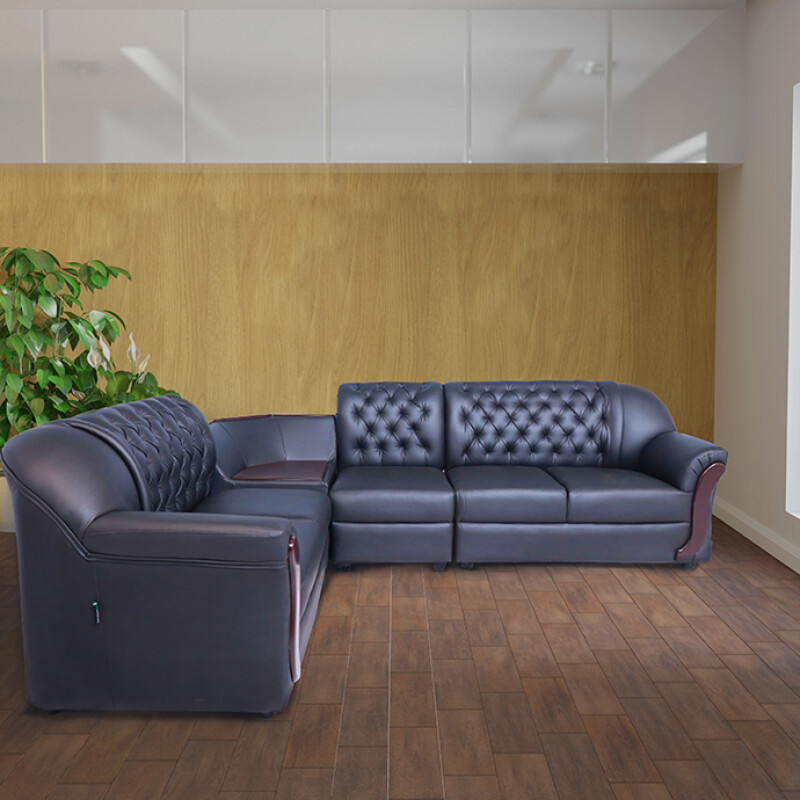
Leather stands as the most durable option in any sofa fabric selection guide, aging gracefully while developing character. Full-grain leather resists punctures and tears better than fabric alternatives, making it perfect for active households. The material naturally repels liquid spills when treated properly, requiring only quick wiping to prevent stains. Leather adapts to room temperature, feeling cool in summer and warming up in winter. It does require conditioning every 6-12 months to prevent cracking and maintain suppleness.
Bonded leather offers a budget alternative but lacks the longevity of genuine leather, often peeling after a few years of use.
Linen and Cotton: Natural Breathability
Natural fabrics like linen and cotton provide breathability that synthetic materials can’t match. These options feel crisp and cool, particularly appreciated in warmer climates or during hot summer months when you want your sofa to remain comfortable without trapping heat. However, they are more prone to wrinkling compared to polyester or velvet, so keep this in mind if you prefer a polished look at all times.
Linen has a slightly rougher texture than cotton but becomes softer with each wash while retaining its durability. Cotton is generally easier to clean since most cotton covers are machine washable—just check the care instructions before purchasing! If you love the idea of natural fibers but worry about their upkeep, consider blends that combine these materials with synthetic ones for added resilience against stains or fading.
Outdoor Fabrics: Weather-Resistant Choices
If your corner sofa will be placed outdoors or exposed to moisture-prone areas like sunrooms or patios, opt for outdoor-specific fabrics such as solution-dyed acrylics or vinyls. These materials are designed to withstand UV rays, mildew growth, and water damage while maintaining their vibrant colors over time.
Solution-dyed acrylics offer a soft feel similar to indoor upholstery yet possess superior fade resistance due to pigments being embedded within the fiber itself rather than applied on top (like conventional dyeing methods). Vinyls provide an even more budget-friendly option with easy maintenance—simply wipe down surfaces with soap water when needed!
When selecting outdoor fabrics, ensure they have been tested against industry standards such as AATCC 16 (colorfastness) & ASTM E84 (flame retardancy) certifications if fire safety is also a concern for you.
Consider Your Lifestyle Needs
While knowing about different types of fabrics helps narrow down choices significantly; ultimately understanding how each one aligns with your specific lifestyle requirements plays an equally crucial role in making an informed decision:
- Durability: Assess how much wear & tear your sofa will experience based on factors like number of occupants (including pets), usage frequency etc.
- Comfort: Determine what level of coziness suits everyone using this space – some may prefer plush textures while others lean towards firm seating support.
- Maintenance: Factor in cleaning routines & potential mishaps that could occur – families might prioritize stain-resistant options whereas singles/couples might focus more on aesthetic appeal.
By combining knowledge about different fabric types along with insights into personal preferences & practical considerations; you’ll be equipped better navigate through various choices available & find perfect fit for both style & function!
How Can Modular Sofas Adapt to Changing Needs Over Time?
Modular sofas transform with your life through their reconfigurable design, allowing you to add, remove, or rearrange individual sections as circumstances change. These versatile modular seating systems eliminate the need to purchase entirely new furniture when your space or lifestyle evolves.
Rearrangement for Different Occasions
The individual units of modular sofas can be repositioned to suit various scenarios:
- Daily living: Create an L-shape configuration for family movie nights
- Entertaining guests: Separate sections into multiple seating areas across the room
- Intimate gatherings: Push units together to form a U-shape for conversation circles
- Space clearing: Remove sections temporarily when hosting parties or events requiring floor space
Scalability for Growing Families
Starting with a basic two or three-piece set allows you to expand gradually. When a new baby arrives or children grow older, simply purchase additional modules to increase seating capacity. A couple’s initial compact setup can evolve into a spacious family configuration without discarding the original investment.
Adapting to New Living Spaces
Moving to a different home no longer means your sofa won’t fit. Modular pieces can be reconfigured to match:
- Narrow apartment layouts by arranging units in a straight line
- Spacious family rooms through expansive U or wraparound formations
- Open-plan lofts where sections define separate zones
- Awkward room shapes by positioning modules around architectural features
Adding Specialized Functions
Many modular systems offer specialized units that integrate seamlessly with standard pieces. Add a storage ottoman module for extra organization, incorporate a chaise section for lounging, or include a sleeper unit when overnight guests become frequent. Each addition enhances functionality without compromising the existing setup.
Cost-Effective Long-Term Investment
Rather than replacing entire sofas every few years, modular systems allow targeted updates. Replace worn sections individually, swap outdated fabric colors with new modules, or upgrade specific pieces to include modern features like built-in USB ports while keeping the rest intact.
What Key Considerations Should You Keep in Mind When Choosing a Corner Sofa for Your Room Layout?
Find the Perfect corner sofas to Fit Any Room Layout by evaluating your space dimensions, lifestyle requirements, and design preferences before making a purchase. The right corner sofa transforms your living area into a functional, comfortable retreat that serves your household for years.
Measure Your Space Accurately
Start by measuring your room’s dimensions, including ceiling height, doorways, and existing furniture. Corner sofas require adequate clearance for delivery and placement—typically 36 inches of walkway space around seating areas. Account for door swings, window placements, and radiator positions that might affect sofa positioning.
Create a floor plan using graph paper or digital tools to visualize how different sofa sizes fit your layout. Consider the sofa’s depth as well as length, since deeper seats consume more floor space but offer enhanced comfort.
Match Your Functional Requirements
Identify how you’ll use the sofa daily. Families with young children benefit from stain-resistant fabrics like treated polyester or leather. Pet owners should prioritize durable, scratch-resistant materials such as microfiber or tightly woven textiles.
Important factors to consider include:
- Seating capacity: Count regular users plus occasional guests
- Storage needs: Some corner sofas feature built-in storage compartments
- Sleep functionality: Sofa beds suit homes that host overnight visitors
- Reclining features: Power recliners add comfort but require electrical outlets nearby
Assess Traffic Flow Patterns
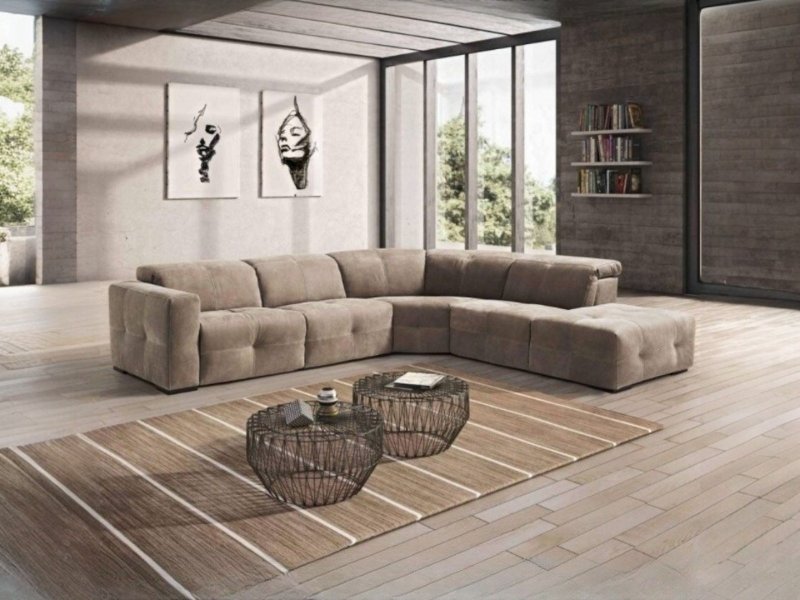
Position your corner sofa to maintain natural pathways through the room. The longest section should run parallel to the room’s longest wall in rectangular spaces, keeping walkways unobstructed. Avoid blocking access to windows, doors, or frequently used areas like kitchen entrances.
L-shaped configurations work best when the shorter arm faces the room’s entry point, creating an inviting visual anchor. Leave 18-24 inches between the sofa and coffee table for comfortable leg room.
Select Complementary Styles and Colors
Choose upholstery colors and textures that harmonize with existing décor elements. Neutral tones like grey, beige, or navy offer versatility and longevity, while bold colors
See Also: Is home furniture outlet sydney your next go-to for home furnishings?