

When a property books professional help, treatment day can feel a bit unknown. Rodent Removal Sydney treatment day is usually straightforward, with a clear inspection, a targeted plan, and practical advice to stop rodents returning.
They will typically be asked to prepare a few areas, keep pets safe, and allow access to roof voids, subfloors, garages, and kitchens. With that, the technician can move quickly and safely.
What happens when the technician arrives?
They usually start by confirming the reported issues, then walking the site to validate where rodents are active. On Sydney Rodent Removal treatment day, this first check sets the whole strategy, because rodent activity in a terrace in Newtown can look different to a warehouse in Alexandria.
They will also explain what they are about to do, what products they may use, and what residents should expect over the next few days.
What questions should they be ready to answer?
They should be ready to describe where they have heard noises, seen droppings, smelt odours, or spotted damage. Details like “scratching at 2am in the ceiling above the pantry” can narrow down runways and entry points fast.
They may also be asked about recent building works, food storage habits, pet food locations, compost bins, chicken coops, and whether neighbouring properties have had issues.
How do they confirm whether it is rats, mice, or something else?
They identify species using droppings size, smear marks, footprints, gnaw patterns, and where signs are found. Roof rats often travel high along fences and power lines, while Norway rats prefer lower levels, drains, and dense ground cover. Mice can squeeze through much smaller gaps and commonly nest in wall cavities.
On Rodent Removal Sydney visits, this identification matters because device choice, bait placement, and exclusion priorities change by species.
Where will they inspect inside the home or business?
They usually inspect kitchens, pantries, laundries, ceiling access points, garages, storerooms, and any area where food is stored or waste collects. In many Sydney homes, the roof void gets special attention because it can hide runways, nests, and entry points near eaves.
In hospitality venues, they commonly focus on grease trap areas, dry stores, bin rooms, and delivery entry points.
Where will they inspect outside the property?
They often check fence lines, garden edges, sheds, under decks, and around pipes and cabling. They may inspect grates, drainage points, and weep holes, especially where there is harborage like dense shrubs or stored materials.
For Rodent Removal Sydney jobs, external inspection is often where they find the real cause, such as a gap under a door, broken vents, or clutter that gives rodents cover.
What safety steps will they take on treatment day?
They typically follow product labels, use tamper-resistant stations where required, and place devices to reduce risk to children and pets. They may also advise residents to keep pets away from treated areas and not to touch stations or traps.
If the site is a childcare, café, or strata building, they will usually follow extra documentation and placement requirements to meet site policies and Australian expectations.
See Also : Sydney Rat Exterminator: Why DIY Traps Fail
Will they use traps, bait stations, or both?
They choose tools based on species, location, and risk. Traps are common where quick confirmation is needed or where baiting is not suitable. Bait stations may be used in controlled placements, particularly for ongoing pressure from neighbouring properties or industrial edges.
During Rodent Removal Sydney treatment day, they should explain what is being used, where it is placed, and how follow-up will work.
What should they expect if baits are used?
They should expect baits to be secured in stations and placed in strategic, low-disturbance areas. The technician will usually explain the expected activity window and what is normal, such as continued noise for a short period while rodents move through their established routes.
They may also be told to avoid cleaning away all signs immediately, because some evidence helps confirm whether activity is reducing between visits.
What should they expect if traps are used?
They should expect traps to be placed along walls, behind appliances, in roof void travel lines, or near known entry points. They may be asked not to move traps, and to report any captures if the service includes resident monitoring between visits.
On Rodent Removal Sydney treatment day, trap placement is often precise, so even small changes like moving stored boxes can reduce effectiveness.
Will they find and seal entry points on the same day?
Sometimes they can address simple entry points immediately, like fitting a door sweep, sealing small gaps around pipes, or installing mesh on vents. Larger proofing work, such as repairing eaves, replacing broken subfloor vents, or sealing complex roof gaps, may be quoted and scheduled separately.
They should still expect clear guidance on which entry points are most urgent, because exclusion is a key part of Rodent Removal Sydney success.
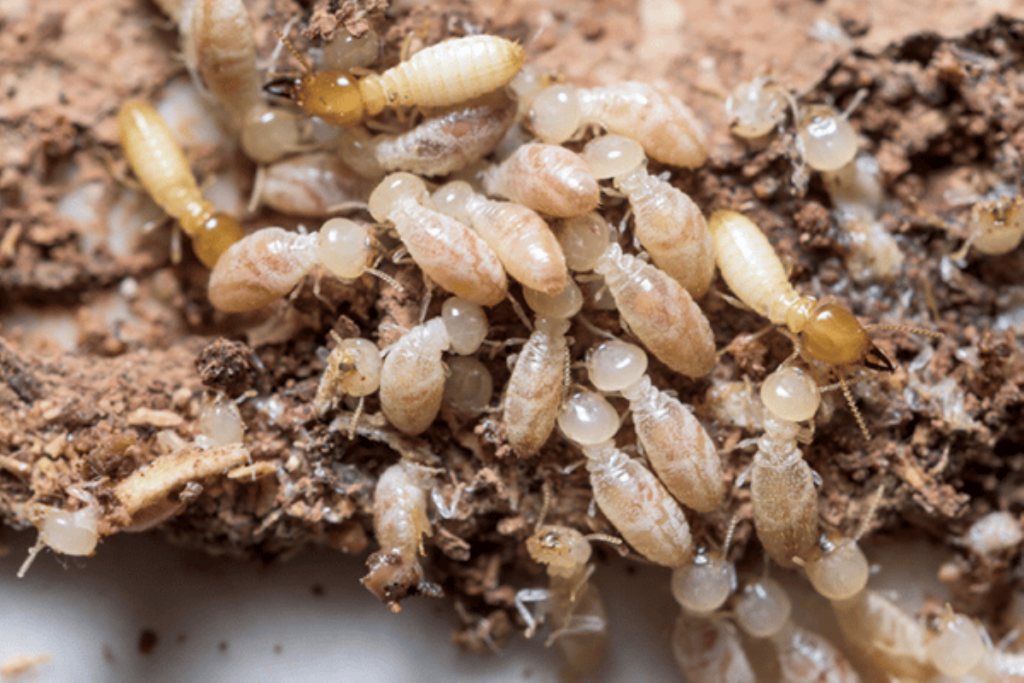
How long does the appointment usually take?
A standard home can take around 45 to 90 minutes depending on size, roof access, and how widespread the signs are. Larger properties, older Federation homes with multiple voids, and commercial sites can take longer.
They can help the process by clearing access to manholes, under-sink cupboards, and any areas where they have heard activity.
What should they do before the treatment day?
They should tidy clutter near walls, remove easy food sources, and secure pantry items in sealed containers. Pet food should be stored in hard plastic or metal tubs with tight lids, and bins should have proper closures.
For Rodent Removal Sydney bookings, it also helps if they photograph droppings, gnaw marks, or the locations where they have seen rodents, so the technician can prioritise quickly.
What might they be asked to do during the treatment?
They may be asked to keep certain doors closed, keep pets in a separate area, or avoid specific spaces for a short period. In some cases, the technician may request that a resident turns off an air conditioner or provides access to a locked meter box, roof hatch, or strata plant room.
They will typically be updated as each stage is completed, especially if there are safety considerations.
What signs will they see in the days after treatment?
They may see less noise at night, reduced droppings in known hotspots, and less gnawing activity. In some cases, they may notice a short spike in sightings as rodents adjust to changes in their environment, especially in dense inner-west terraces where neighbouring pressure is common.
After Rodent Removal Sydney treatment day, they should follow the technician’s cleaning instructions so fresh activity is easier to identify.
What happens if there is a dead rodent smell?
They may occasionally notice odour if a rodent dies in a wall cavity or roof void. The technician can advise on ventilation, odour neutralisers, and whether access is possible for removal. Many times, the smell fades as the carcass dries, but each situation depends on location and airflow.
They should report persistent odours, particularly in warmer Sydney weather, so the provider can assess next steps.
Other Resources : Natural Termite Deterrents: What Works in Australia (And What Doesn’t)
Will they need a follow-up visit?
Often, yes. Rodent work is commonly a process rather than a single event, because behaviour, breeding cycles, and reinvasion pressure can require monitoring. Follow-ups allow the technician to check stations, reset traps, confirm activity reduction, and adjust placement.
For Rodent Removal Sydney programs, follow-up is also where they confirm proofing priorities and whether further exclusion work is needed.
What do they need to do to prevent rodents returning?
They should focus on three things: food, shelter, and access. Food means securing pantry goods, cleaning crumbs, managing pet food, and keeping bins closed. Shelter means reducing clutter, clearing garden harborage, and keeping stored items off the floor where possible. Access means sealing gaps, fitting sweeps, and screening vents.
Even the best Rodent Removal Sydney treatment can be undermined if entry points stay open and food remains easy to reach.
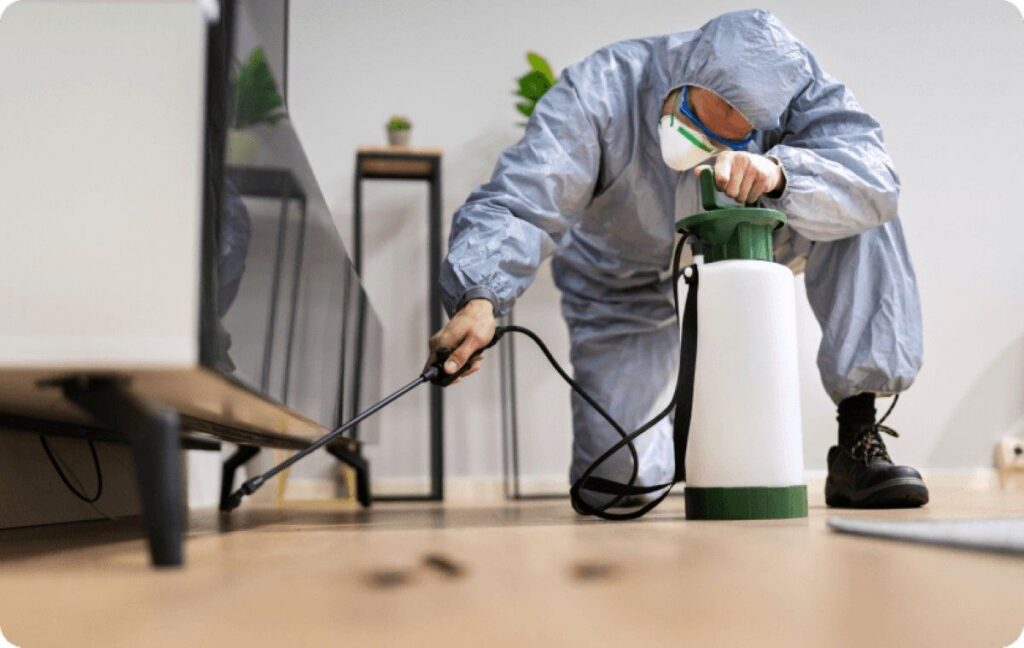
What should they expect to receive at the end of the visit?
They should expect a summary of findings, what was installed or applied, and what to watch for next. Many providers also supply a service report with device locations, safety notes, and recommendations for proofing and hygiene.
On Rodent Removal Sydney treatment day, a clear handover matters because it tells them what “normal” looks like over the next week and when to contact the provider.
How should they handle cleaning after treatment?
They should wear gloves and a mask when cleaning droppings, avoid sweeping dry droppings, and use disinfectant with paper towels to reduce dust. Bedding materials should be bagged and disposed of carefully, and any contaminated surfaces should be disinfected.
If they are unsure, they should ask their technician for safe cleaning steps that fit their property, especially in tight roof voids common across Sydney homes.
When should they call again or escalate the issue?
They should call if they see repeated fresh droppings in the same area after the advised window, if they spot rodents in daylight, or if there is new damage like fresh gnawing on wiring, doors, or pantry items. They should also call if a pet interacts with a station or trap.
For ongoing issues, the provider may recommend additional proofing, changes to waste handling, or a tailored program suited to the site’s risk profile.