

This guide covers what they should check, book, clean, and plan so their cooling holds up when temperatures spike across the Upper North Shore.
What should they book first before the first heatwave arrives?
For hornsby air con, they should book a pre-summer service early, ideally in spring, because local demand jumps once hot weather is forecast. A licensed Australian technician can confirm performance, safety, and efficiency before the system is pushed hard.
For air conditioning Hornsby homes commonly use, early servicing also helps avoid parts delays and long call-out queues during peak season.
What should a professional aircon service include in Australia?
A proper service should confirm the system is operating safely, cooling effectively, and draining correctly. It should also identify wear that may fail under continuous heatwave use.
For air conditioning Hornsby homes depend on, a typical service may include filter checks, coil inspection, refrigerant and leak assessment, electrical testing, airflow verification, and a review of zoning or control settings where fitted.
How can they tell if their air conditioner is struggling already?
They should watch for warning signs like weak airflow, longer run times, warm air, rattling, musty smells, or sudden spikes in electricity bills. These issues often worsen on 35°C+ days.
If air conditioning Hornsby homes have starts short-cycling, icing up, or tripping breakers, it is a strong sign they should stop pushing it and organise a technician visit before the next hot spell.
What cleaning can they do themselves without risking damage?
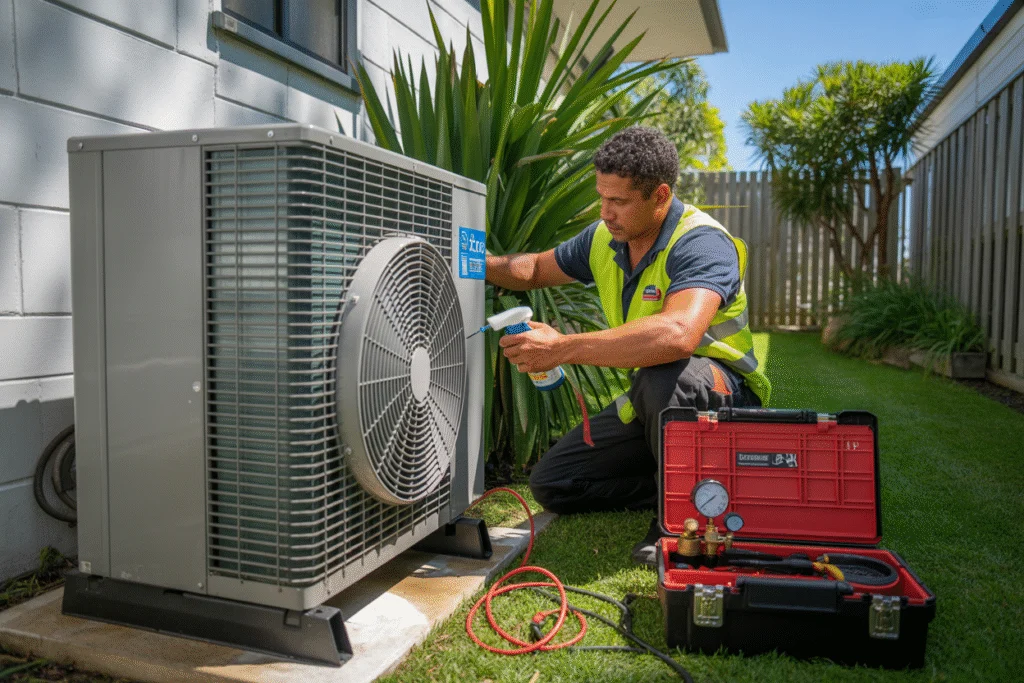
They can safely clean or replace return-air filters, wipe dust from vents, and keep the outdoor unit clear of leaves and debris. These steps improve airflow and reduce strain.
For air conditioning Hornsby homes often run daily in summer, filter cleaning is one of the simplest high-impact tasks. They should always follow the manufacturer’s instructions and avoid opening panels that expose electrical components.
Why should they check the outdoor unit area before summer?
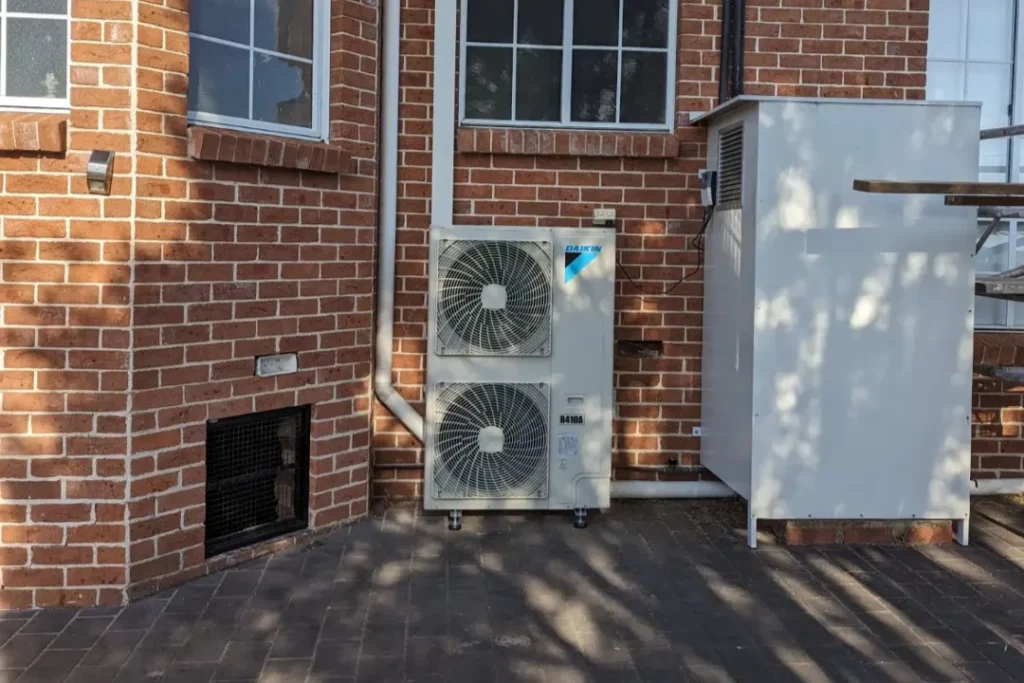
They should ensure the condenser has clear airflow on all sides, because restricted ventilation reduces capacity and drives higher power use. Overgrown plants, stored items, and built-up mulch can all trap heat.
For air conditioning Hornsby homes with outdoor units near fences or gardens, a clear zone helps the system shed heat efficiently when Western Sydney-style hot winds push temperatures up.
What thermostat and control settings should they set ahead of heatwaves?
They should aim for stable set points rather than constant adjustments, because frequent changes can increase run time and reduce comfort. Many Australian households find air conditioning temperature settings around 24°C to 26°C a practical range for maintaining a balance between comfort and energy use.
If air conditioning Hornsby homes have zoning, they should pre-plan which rooms will be cooled on peak days and close doors to unused spaces to reduce load.
How should they prepare their home so the air conditioner has less work?
They should reduce heat gain by sealing obvious drafts, closing gaps around external doors, and using blinds or curtains on sun-facing windows. This lowers the amount of heat the system must remove.
For air conditioning Hornsby homes trying to keep cool in older brick builds or homes with large glazing, shading and sealing can noticeably improve comfort during multi-day heat events.
What should they do about insulation and roof heat?
They should check that ceiling insulation is present, correctly placed, and not compressed, because roof spaces can become extremely hot during an Australian summer. Good ceiling insulation for energy efficiency can reduce the heat entering from above, helping the air conditioner maintain a comfortable indoor temperature.
For air conditioning Hornsby homes located in leafy streets with mixed-era housing stock, insulation upgrades can be one of the most cost-effective ways to improve cooling performance.
How can they confirm their system is the right size for the house?
They should ask a technician to assess capacity against room size, ceiling height, insulation, window area, and orientation. A unit that is too small will run continuously and still feel weak on heatwave days.
For air conditioning Hornsby homes with extensions, renovated open-plan living, or added rooms, the original system size may no longer match the current floor plan.
What electrical checks should they consider before peak summer use?
They should ensure the switchboard and circuits are coping, especially if the system is older or if new appliances were added recently. Tripping breakers during a heatwave is more than inconvenient because it can signal an overloaded circuit.
For air conditioning Hornsby homes using ducted systems, they should confirm isolation switches and safety devices are functioning and that any unusual burning smells are investigated immediately by a licensed electrician.
What should they do if the aircon smells musty or triggers allergies?
They should clean filters first, then book a deeper inspection if odours persist, because mould can develop in damp components or drains. Musty smells often worsen when humidity rises after storms.
For air conditioning Hornsby homes where someone has asthma or allergies, a technician can check drainage, microbial build-up, and whether coil cleaning or additional filtration is appropriate.
How should they plan for heatwaves if they have a ducted system?
They should confirm zones and dampers are operating correctly and that ductwork is not leaking into roof spaces. Leaky ducts waste cooled air and reduce performance when it is needed most.
For air conditioning Hornsby homes with ducted setups, they can also pre-cool key areas in the morning, then maintain temperature through the hottest part of the day with doors closed and zones limited.
What should they do differently if they use split systems?
They should ensure each indoor head is cleaned, filters are maintained, and outdoor units are unobstructed. They should also avoid running too many units at extreme settings if the electrical load is high.
For air conditioning Hornsby homes with multiple split systems, consistency matters more than extremes. A moderate set point with good airflow often feels better than a very low set point that causes uneven cooling.
Should they test-run the system before summer, and what should they listen for?
They should run it on a warm day for 20 to 30 minutes and check that the air feels consistently cool, the fan speeds respond, and there are no new noises. They should also check for water leaks around indoor units.
For air conditioning Hornsby homes preparing for heatwaves, a short test-run helps catch drainage issues and failing fans before the system is forced to run for hours at a time.
What should they have ready in case the air conditioner fails during a heatwave?
They should plan a backup cooling and safety routine, especially for older residents, infants, and pets. That might include pedestal fans, frozen water bottles, cool packs, and a clear plan for the coolest room in the house.
For air conditioning Hornsby homes where heat risk is high, they should also know local options like shopping centres, libraries, or community facilities that offer air-conditioned relief on extreme days.
How can they reduce power costs without sacrificing comfort?
They should use curtains early, avoid heat-generating appliances during peak afternoon hours, and run the system efficiently rather than aggressively. Ceiling fans can also improve perceived comfort, allowing a slightly higher thermostat setting.
For air conditioning Hornsby homes on time-of-use electricity plans, pre-cooling in the morning and maintaining a steady temperature can be cheaper than chasing comfort after the house has already heated up.
What questions should they ask an aircon technician before summer?
They should ask whether the system is performing to specification, whether refrigerant levels and pressures look normal, and whether any parts show signs of imminent failure. They should also ask about airflow balance, filter type, and ideal operating settings for the home.
For air conditioning Hornsby homes that have recurring issues, they should request a clear repair-vs-replace recommendation based on age, condition, and expected summer load.
When should they consider replacing the system instead of repairing it?
They should consider replacement if the system is older, frequently breaking down, or no longer efficient compared with modern inverter models. Repeated repairs can cost more than upgrading, especially if performance is still poor on hot days.
For air conditioning Hornsby homes relying on older units, upgrading before peak summer can reduce the risk of downtime when installers are busiest and stock is tight.
What is the simplest pre-heatwave checklist they can follow?
They should complete a short checklist that covers performance, cleanliness, airflow, and household heat management. Done early, it prevents most avoidable failures.
For air conditioning Hornsby homes, a practical checklist is:
- Book a pre-summer service with a licensed technician
- Clean or replace filters and wipe vents
- Clear the outdoor unit and ensure strong airflow
- Test-run cooling and check for leaks or odd sounds
- Set a stable thermostat plan and confirm zoning
- Improve shading, sealing, and insulation where possible
- Prepare a backup cooling plan for extreme days
If they complete these steps before the first forecast heatwave, they give their system the best chance of staying reliable when Hornsby temperatures climb. Booking an air conditioning service Hornsby homeowners can rely on before peak summer demand can also help identify potential issues before they become disruptive.
FAQs (Frequently Asked Questions)
What is the first step Sydney households should take to prepare their air conditioning before a heatwave?
Sydney households should book a pre-summer service early, ideally in spring, to ensure their air conditioning system is serviced by a licensed Australian technician. Early servicing confirms performance, safety, and efficiency, helping avoid parts delays and long call-out queues during peak summer demand.
What does a professional air conditioning service for Hornsby homes typically include?
A professional aircon service for Hornsby homes usually includes filter checks, coil inspection, refrigerant and leak assessment, electrical testing, airflow verification, and reviewing zoning or control settings. The service ensures the system operates safely, cools effectively, drains correctly, and identifies any wear that could fail during continuous heatwave use.
How can homeowners tell if their air conditioner is struggling during hot days?
Homeowners should watch for signs like weak airflow, longer run times, warm air output, rattling noises, musty smells, or sudden spikes in electricity bills. Issues such as short-cycling, icing up, or tripping breakers indicate the system is under stress and require immediate technician attention before the next heatwave.
What maintenance tasks can Hornsby residents safely perform themselves on their air conditioning units?
Residents can safely clean or replace return-air filters regularly, wipe dust from vents, and keep the outdoor unit clear of leaves and debris. These simple tasks improve airflow and reduce strain on the system. It’s important to follow manufacturer instructions and avoid opening panels exposing electrical components.
Why is it important to check the outdoor unit area before summer in Hornsby homes?
Ensuring the condenser has clear airflow on all sides is crucial because restricted ventilation reduces cooling capacity and increases power consumption. Overgrown plants, stored items, or mulch can trap heat around the outdoor unit. A clear zone helps the system shed heat efficiently during hot weather with Western Sydney-style winds.
What thermostat settings are recommended for Hornsby homes to maintain comfort during heatwaves?
It’s best to set stable thermostat points between 24°C to 26°C rather than frequently adjusting temperatures. For homes with zoning systems, pre-planning which rooms to cool on peak days and closing doors to unused spaces reduces load and energy use while maintaining comfort during extreme heat.