

Storms in Sydney can turn a healthy-looking tree into an urgent hazard in minutes. An arborist Lane Cove resident trusts can spot hidden failure points, make the site safe, and document damage properly before more branches fall or a trunk gives way.
They do not need to wait until a tree is on the ground. If there is any doubt about safety, calling an arborist Lane Cove locals rely on is often the fastest way to protect people, property, and neighbouring trees.
What counts as storm damage to a tree in Lane Cove?
Storm damage includes any change that makes a tree less stable or more likely to drop limbs. That can be obvious, like a split trunk, or subtle, like soil heaving around the roots after heavy rain.
In Lane Cove and across the North Shore, damage often follows strong wind gusts, saturated soils, and falling debris from nearby trees. An arborist Lane Cove property owners engage will assess the whole tree, not just the broken part.
When is it an emergency that needs an immediate call?
It is an emergency if the tree or branches can hit people, a home, powerlines, or a road right now. Hanging limbs, a cracked main stem, or a tree leaning further after each gust should be treated as urgent.
In these situations, they should call an arborist Lane Cove residents use for storm work and keep everyone well away from the fall zone. If wires are involved, they should also treat the area as live and dangerous.
Should they call if a large branch is hanging but not fallen?
Yes, because a suspended branch can drop without warning, even hours after the storm passes. Wind can shift it, and the branch’s own weight can slowly tear remaining fibres.
A qualified arborist Lane Cove households choose can remove or secure the hazard using safe rigging. They can also check whether the break indicates deeper structural problems in the canopy.
What if the tree is leaning after the storm?
A new lean can signal root plate movement, soil failure, or a partially failed trunk. In wet Lane Cove soils, the ground can stay soft for days, which increases the risk of late failure.
They should book an inspection with an arborist Lane Cove locals recommend, especially if the lean is toward a house, fence, driveway, or public footpath. Propping a tree or digging around roots without training can make things worse.
When do cracks in the trunk or major limbs mean the tree is unsafe?
Cracks are a major red flag when they run along the trunk, open wider in wind, or appear near a big limb junction. Splits can propagate quickly, particularly in heavy, mature trees common around Lane Cove.
If they notice fresh cracks, they should stop using the area and call an arborist Lane Cove residents rely on to determine whether pruning, cabling, or removal is needed. Many cracked trees look stable until the next gust.
Should they worry about root damage if they cannot see it?
Yes, because root failure often shows up indirectly. Signs include new lifting or mounding of soil, gaps near the base, or a tree that suddenly looks “looser” in the ground.
An arborist Lane Cove property managers hire can look for root plate movement and assess soil conditions after heavy rain. They may recommend monitoring, weight reduction pruning, or removal if anchorage is compromised.
When is it risky to do DIY cutting or chainsaw work after a storm?
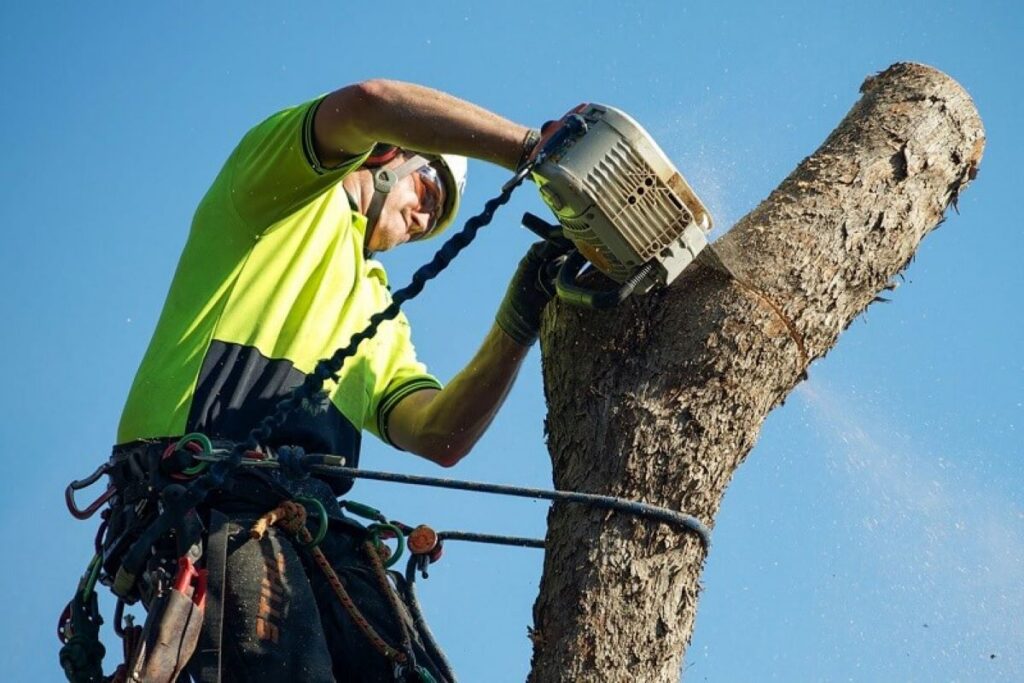
It is risky whenever limbs are under tension, tangled, or supported by other branches. Storm-damaged wood can spring, roll, or drop as soon as a cut is made, causing serious injury.
They should avoid climbing ladders, cutting above shoulder height, or working near roofs and powerlines. An arborist Lane Cove homeowners trust has the training, PPE, and rigging to manage unpredictable loads safely.
What if the tree has fallen but is not blocking anything?
Even if it is not blocking a driveway or road, a fallen tree can still be dangerous. It may be supporting other broken limbs, shifting on a slope, or creating trip hazards around hidden spikes and splinters.
They should still contact an arborist Lane Cove locals use for storm clean-up to section and remove it safely. The arborist can also check nearby trees for “sympathy damage” from the same wind event.
See Also : How Waterfront Blocks Complicate Gladesville Tree Removal Approvals
When should they call if a tree is close to powerlines?
They should call immediately and keep clear if any part of the tree is touching or near overhead lines. In Australia, only authorised line clearance professionals should work within regulated distances of live electrical assets.
An arborist Lane Cove clients call for storm damage will often coordinate with the relevant electricity network where needed. They should never assume a line is insulated or safe just because it is quiet.
How soon after the storm should they arrange an inspection?
If there are no obvious hazards, an inspection within 24 to 72 hours is still sensible. Some failures happen later, once wood dries, cracks widen, or saturated soil continues to shift.
A timely visit from an arborist Lane Cove residents choose can also help prioritise work. They can identify which trees need urgent action and which can be monitored with staged pruning.
Which signs suggest a tree may fail in the next storm?
Common warning signs include fresh splits, multiple broken limbs in the upper canopy, mushrooms or cavities exposed by the storm, and a canopy that now looks lopsided. Excessive leaf loss on one side can also suggest vascular damage.
They should treat these as reasons to consult an arborist Lane Cove locals recommend before the next front arrives. Early intervention is often cheaper than emergency removal.
Can an arborist help with council rules and protected trees in Lane Cove?
Yes. Lane Cove Council and nearby councils across Sydney’s North Shore can have rules around pruning and removal, especially for significant or protected species.
An arborist Lane Cove residents engage can advise what is typically permitted for hazard reduction and what may need approval. If the situation is dangerous, they can help document risk and damage to support any required applications.
What information should they collect before the arborist arrives?
They should take clear photos of the whole tree, the base, and the damage from several angles. It also helps to note the time of the storm, wind direction if known, and any new changes like leaning or soil lifting.
If safe, they can mark off the area with tape or temporary barriers and keep people away. This helps the arborist Lane Cove resident calls assess risk quickly and plan the safest access.
How do they choose the right arborist for storm damage work?
They should look for a qualified, insured professional with demonstrated storm-response experience. It helps if the arborist can provide a written assessment, risk notes, and clear scope of work for urgent and non-urgent items.
A reputable arborist Lane Cove locals trust will explain why a tree is unsafe, what can be saved, and what cannot. They will also avoid promising outcomes that ignore tree biology or structural realities. Read more about Hazardous Trees.
What happens during a typical storm damage assessment?
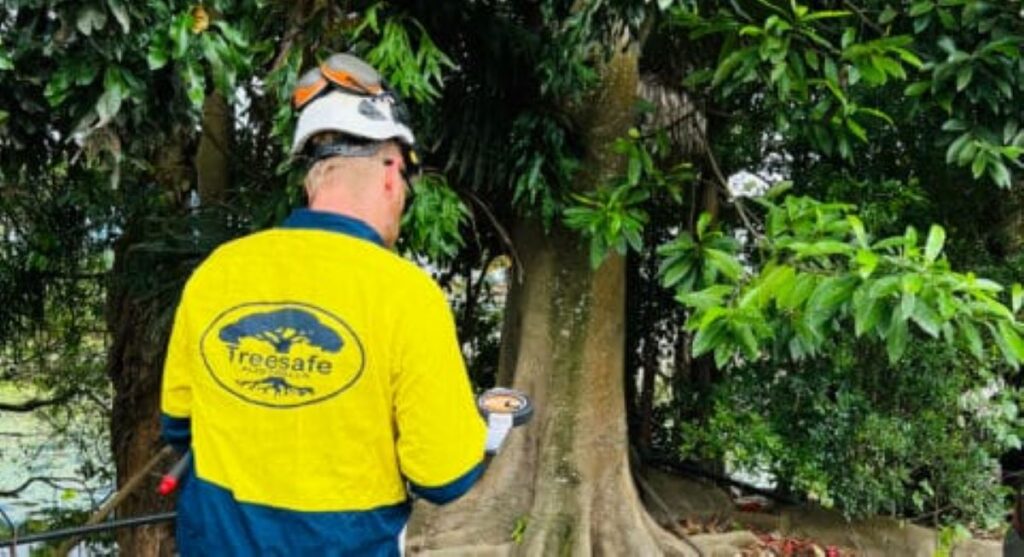
The arborist will usually start with a site safety check, then inspect the canopy, trunk, and root zone. They may look for compression and tension fractures, weak unions, and signs of internal decay revealed by the storm.
After that, they will recommend actions such as hazard limb removal, canopy reduction, bracing, or removal if the structure has failed. For many properties, an arborist Lane Cove residents hire will also suggest follow-up checks after cleanup.
When is removal more sensible than pruning after storm damage?
Removal is more likely when the main stem is split, the root plate has lifted, or major scaffold limbs are lost in a way that cannot be balanced. A tree can sometimes survive heavy pruning, but only if its remaining structure is stable.
They should ask the arborist Lane Cove resident hires whether the tree can recover with safe form and reasonable long-term risk. If not, removal and replanting can be the most responsible option.
What should they do right now while waiting for help?
They should keep everyone away from the damaged tree, especially children and pets. They should avoid parking under the canopy and stay out of any area where branches could fall.
If the tree threatens a public footpath or roadway, they may also need to alert the relevant local authority. Then they can wait for the arborist Lane Cove locals call for storm damage to make the site safe and start the right remedial work.