

Waterfront homes in Gladesville can feel like the best of both worlds, but they often come with extra layers of planning control. When owners want to remove or heavily prune a tree, Gladesville tree removal can quickly become a council, environmental, and access puzzle rather than a simple job.
The key issue is that waterfront sites tend to trigger more checks at once: foreshore ecology, slope stability, stormwater impacts, and neighbour views. That combination can slow approvals and tighten what councils are willing to sign off.
Why do waterfront blocks face more scrutiny for tree work?
Waterfront blocks are more likely to sit near environmentally sensitive land, drainage lines, and foreshore vegetation. Because of that, councils and other authorities often assess tree work more carefully to avoid erosion, habitat loss, and bank instability.
For Gladesville tree removal, scrutiny often increases when trees are large, close to the water, or part of a connected canopy that supports local wildlife. Even when a tree looks “private”, the impacts can be public.
How do council rules typically apply to Gladesville tree removal near the water?
Most Sydney councils use a Tree Preservation Order or similar controls that restrict removal without approval, particularly for mature trees above certain height or trunk size thresholds. On waterfront land, those controls can intersect with foreshore planning rules and waterway protection measures.
In practice, Gladesville tree removal applications may need clearer justification than on a standard suburban block. Councils may ask for arborist reports, replanting plans, or evidence the tree is hazardous, declining, or causing proven damage.
Which site constraints make approvals harder on waterfront properties?
Waterfront properties often have steep rear yards, retaining walls, and narrow side access. These constraints can make safe removal more complex, which raises the stakes for council decision-making and documentation.
For Gladesville tree removal, the hardest sites are those where a tree leans over water, sits above a seawall, or is embedded into a slope that is already moving. Approvals may hinge on how they will prevent erosion after removal, not just whether the tree “should” go.
How does foreshore ecology affect whether a tree can be removed?
Foreshore zones can contain native vegetation communities that provide habitat and stabilize the bank. Removing a tree can open the canopy, dry the soil, change wind exposure, and accelerate runoff into the waterway.
That is why Gladesville tree removal near the waterfront often needs an arborist to explain not only the tree’s condition, but the environmental consequence of removal. Councils may also prefer staged pruning, selective limb reduction, or replacement planting rather than full removal.
Do erosion and slope stability concerns change the assessment?
Yes. Trees can be treated as part of the site’s structural stability, especially on sloping waterfront land. Root systems can help bind soil, reduce surface movement, and slow stormwater.
When owners seek Gladesville tree removal on a slope, councils may want reassurance that the yard and foreshore will not slump or wash out after the roots decay. They may require erosion control measures, engineering input, or a re-vegetation plan as a condition.
How can stormwater and drainage rules complicate the approval?
Waterfront blocks commonly deal with concentrated runoff and tight stormwater pathways. Tree removal can change how water flows across the site, particularly when canopy cover and root absorption are reduced.
For Gladesville tree removal, councils may look closely at whether removal could increase sediment entering the river, undermine retaining structures, or worsen water pooling near neighbours. If drainage already struggles, approval may be slower unless the application addresses stormwater outcomes directly.
Why do access and safety logistics matter for waterfront tree work?
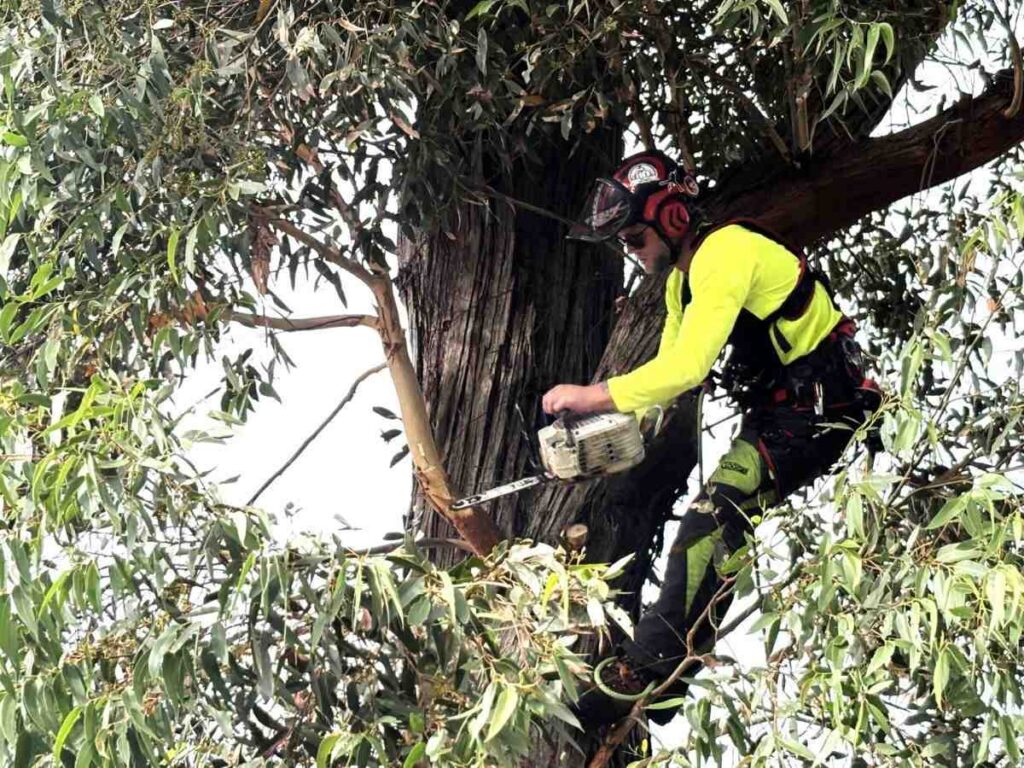
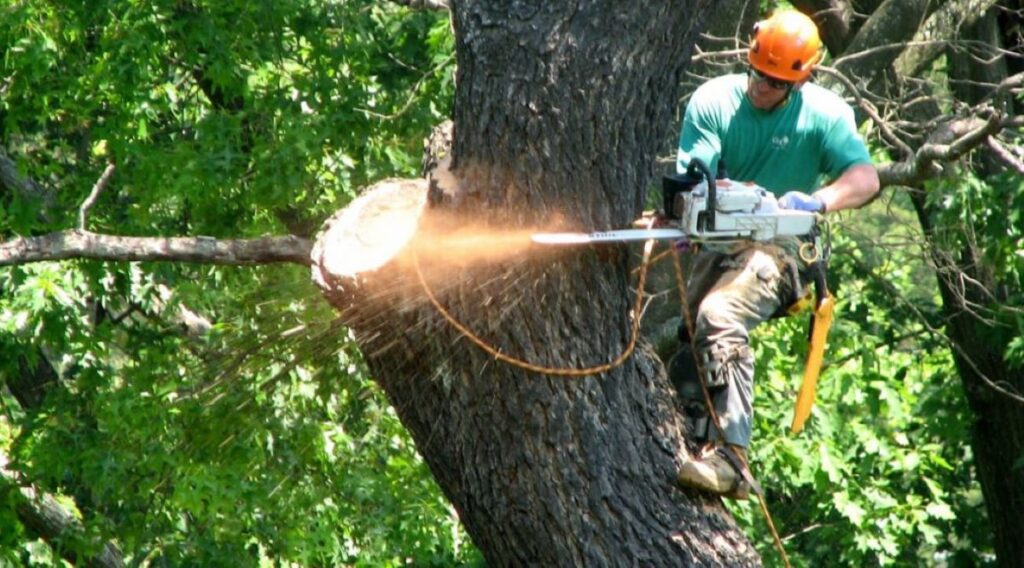
Even if a tree qualifies for removal, the method matters. Waterfront sites may require cranes, rigging over water, barge access, or complex traffic and neighbour safety planning.
Councils and contractors both become cautious because mistakes can damage seawalls, boats, or public land. With Gladesville tree removal, a well-prepared application that explains access, drop zones, and safety controls can reduce objections and prevent last-minute requests for more information.
How do neighbour views and amenity disputes influence outcomes?
Waterfront streets often have high-value view corridors, and trees can be tied to privacy, shade, and perceived property value. If a removal request looks like “view clearing”, neighbours may object, and councils may take a conservative position.
For Gladesville tree removal, they typically need to frame the application around measurable reasons such as risk, structural damage, tree health, or incompatible species placement. Councils rarely want to be seen approving removals driven mainly by amenity preferences.
What evidence usually strengthens a Gladesville tree removal application on the water?
Clear, professional evidence reduces back-and-forth. The strongest applications usually include an arborist report that addresses health, structure, risk, and management options, plus photos and a site plan.
For Gladesville tree removal, they often benefit from including details like distance to the waterline, retaining wall location, known drainage paths, and proposed replacement planting. The more the application anticipates environmental and stability concerns, the fewer delays it tends to face.
Other Resources : Environmental conservation and advocacy
When might pruning be approved but full removal refused?
Councils often treat pruning as a lower-impact compromise, especially where the tree contributes to foreshore stability or canopy continuity. If the tree is healthy and not demonstrably dangerous, full removal can be difficult to justify.
In many Gladesville tree removal matters, they may receive approval for deadwood removal, selective limb reduction, or clearance from roofs and powerlines, but not for complete removal. A hazard assessment and documented defects can be the deciding factor.
How do protected species and habitat considerations come into play?
Some trees provide nesting hollows or food sources for native wildlife, and foreshore corridors can be important movement pathways. If habitat values are suspected, councils may require extra assessment or seasonal timing constraints.
For Gladesville tree removal, they should be prepared for questions about hollows, parrots, microbats, or other fauna indicators. If habitat is present, councils may require a wildlife management approach, staged removal, or installation of nest boxes as an offset.
Can timing, paperwork, and conditions extend the project timeline?
Yes. Waterfront applications can take longer because more conditions can be attached, such as sediment controls, replacement planting, supervision by an arborist, or limits on machinery access. Even after approval, compliance steps can add weeks.
With Gladesville tree removal, delays often happen when the initial application is light on details and council issues an information request. A complete submission upfront is usually faster than trying to “patch” the file later.
What practical steps help owners avoid common approval pitfalls?
They should treat waterfront tree work like a small planning project rather than a basic service call. The aim is to show the council that removal is justified, impacts are controlled, and the site will remain stable and vegetated.
For Gladesville tree removal, practical steps often include:
- Engaging a qualified arborist early for an independent report.
- Mapping the tree’s location relative to the water, structures, and retaining walls.
- Documenting defects, damage evidence, and any previous limb failures.
- Proposing replacement planting with suitable species for foreshore conditions.
- Explaining access and safety methods so the work is realistic and controlled.
What is the simplest way to think about approvals on waterfront blocks?
Waterfront approvals are usually less about the single tree and more about the knock-on effects. Councils want confidence that removing one tree will not trigger erosion, destabilise a bank, or degrade the foreshore environment.
That is why Gladesville tree removal on waterfront land can feel slow and strict. When they provide solid evidence and a sensible impact plan, approvals tend to be clearer, conditions are easier to meet, and the final outcome is less stressful for everyone involved.
More to Read : What Does A Chatswood Arborist Check Before Approving Removal?