

Tree removal in Sydney’s north can look straightforward from the footpath, but approvals rarely are. A Chatswood arborist typically checks safety, tree health, legal controls, and site constraints before they recommend or approve removal.
In most cases, they aim to confirm whether removal is genuinely necessary, or if pruning, bracing, or other management options can achieve the same outcome with less impact.
What is the first thing a Chatswood arborist looks at on site?
They start with immediate risk and access. A Chatswood arborist will scan for hazards like hanging limbs, split unions, unstable lean, and anything that could fail during inspection or works.
They also assess basic logistics, such as whether equipment can reach the tree, where debris could land, and how people and property will be protected.
How do they assess whether the tree is actually hazardous?
They look for defects that increase the likelihood of failure. That includes cracks, cavities, deadwood, co-dominant stems, poor branch attachments, and soil movement near the base.
A Chatswood arborist also considers targets. A moderate defect over a backyard garden is different to the same defect over a driveway, neighbour’s roof, or a busy footpath near Victoria Avenue.
What health signs do they check before recommending removal?
They check canopy density, leaf size, dieback, epicormic growth, and dead crown sections. They also look for fungal fruiting bodies, boring insects, and signs of rot around the buttress roots.
A Chatswood arborist will weigh whether the decline is reversible. Some trees respond well to soil improvement, mulching, pest treatment, or staged pruning instead of removal.
Do they check for pests and diseases common in Sydney?
Yes, because some issues are manageable and others are structural. They may look for evidence of wood decay fungi, borers, scale insects, or sap-sucking pests that weaken growth over time.
If the species is prone to failure when compromised, a Chatswood arborist may be more cautious, especially in exposed sites or after storm seasons across the Lower North Shore.
How do they evaluate the tree’s structure and likelihood of failure?
They assess trunk taper, lean direction, branch architecture, and prior pruning cuts. Poor past lopping can create weak regrowth that snaps under wind load.
A Chatswood arborist may also evaluate root plate stability by looking for heaving soil, cracking, or recent ground changes that reduce anchorage.
What root and soil issues can affect an approval decision?
Roots often decide whether a tree can stay safely. They check for root damage from excavation, trenching, driveway works, or compaction from repeated vehicle traffic.
Drainage matters too. Waterlogged clay soils, leaking pipes, or redirected stormwater can destabilise the root zone, which a Chatswood arborist will consider when judging ongoing risk.
How do nearby buildings, fences, and services influence the assessment?
They map what could be hit and what must be protected. That includes homes, sheds, retaining walls, pools, and neighbouring structures close to the drop zone.
They also consider services such as overhead power, NBN lines, sewer mains, and stormwater runs. A Chatswood arborist usually checks that removal methods can avoid damage and meet safety obligations.
Do they check powerlines and who is allowed to work near them?
Yes, because not all operators can legally work near live electricity. If branches encroach near Ausgrid infrastructure, they may require a specialist or referral to approved vegetation management crews.
A Chatswood arborist will factor in minimum approach distances, traffic control needs, and whether sections must be lowered by rigging rather than felled.
How do they decide if pruning is a better option than removal?
They compare risk reduction against tree retention. If selective pruning can clear roofs, reduce end-weight, remove deadwood, and improve structure, they may recommend that first.
A Chatswood arborist also considers future maintenance. If the tree will need heavy pruning every year to remain “safe”, removal might become the more practical long-term option.
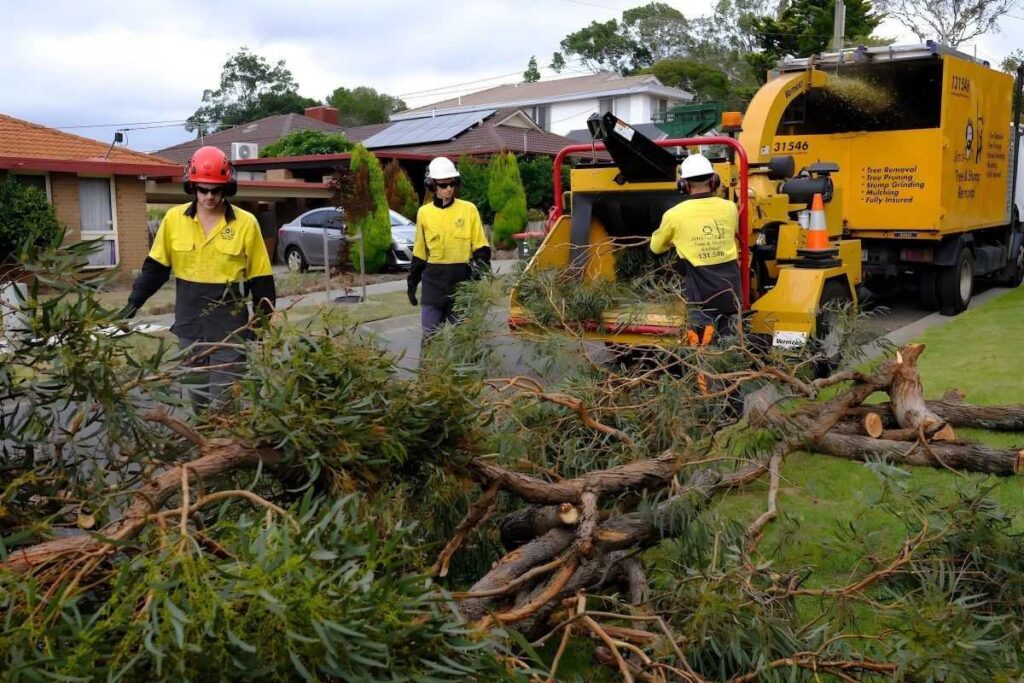
What legal and council rules do they check in Chatswood and the Lower North Shore?
They check whether the tree is protected under local controls, including whether a permit is required for removal or major pruning. In Sydney’s north, protections can apply based on species, size, location, or planning overlays.
A Chatswood arborist will typically confirm the relevant council area and controls before they support an application, particularly where multiple trees or boundary trees are involved.
Do they consider whether the tree is “significant” or protected for other reasons?
Yes. They may consider heritage context, streetscape value, and whether the tree contributes to local amenity, screening, or canopy targets.
A Chatswood arborist will often document why removal is justified if the tree is prominent, mature, or forms part of a row of trees that shapes the character of a street.
How do neighbours and boundary lines affect the assessment?
They check ownership and where the trunk stands relative to the boundary. If the tree is on or near the line, there can be shared responsibilities and consent issues.
A Chatswood arborist will also consider whether removal could destabilise adjacent trees or cause damage to neighbouring gardens, fences, or structures during dismantling.
What evidence do they record to support approval?
They collect clear, defensible information. That often includes photos of defects, canopy condition, fungal growth, root issues, and proximity to targets.
A Chatswood arborist may also record measurements like trunk diameter at breast height, height estimates, and crown spread, plus notes on site conditions and recent weather or storm damage.
Do they use tools like resistograph testing or tomography?
Sometimes, but only when it adds value. Advanced testing can help confirm internal decay or voids where visuals are inconclusive.
A Chatswood arborist usually balances cost and benefit. If the tree is clearly unsafe, extra testing might not be necessary, but for high-value trees it can help avoid an unnecessary removal.
How do they factor in storm history and recent damage?
They look for fresh cracks, torn fibres, and sudden changes in lean after storms. Sydney’s east coast lows and summer storm cells can expose weaknesses quickly.
A Chatswood arborist may treat recent storm damage as a trigger for a higher-risk rating, especially if the tree has existing defects that are now worsening.
What role does species selection and growth habit play in the decision?
Some species tolerate pruning and urban conditions better than others. They consider brittleness, decay propensity, root behaviour, and expected mature size for the location.
A Chatswood arborist will often note if the tree has outgrown the planting space, such as in narrow nature strips or tight courtyard gardens typical of parts of Chatswood.
Other Resources : Urban Tree Growth and Drought Responses Show Evidence of Climate Resilience
Do they check for wildlife, nests, and habitat considerations?
Yes, because removal can affect urban biodiversity. They may look for hollows, nesting birds, possum use, or signs of microbats.
If habitat is present, a Chatswood arborist may recommend timing changes, staged removal, or retention of habitat limbs where safe, consistent with local expectations and Australian wildlife protections.
How do they ensure the removal method is safe for a tight suburban block?
They plan the drop zone and dismantling sequence. In dense North Shore suburbs, they often need rigging, cranes, or sectional removal to avoid roofs and fences.
A Chatswood arborist will also consider traffic and pedestrian risks if the tree overhangs a street or laneway, and whether spotters and barriers are required.
What do they check about access for trucks, chippers, and stump grinders?
They confirm driveway width, turning space, and whether equipment can be brought in without damaging paving or landscaping. They also check where the chipper and truck can park legally.
A Chatswood arborist may recommend smaller gear or manual handling if access is limited, which can change pricing and timeframe.
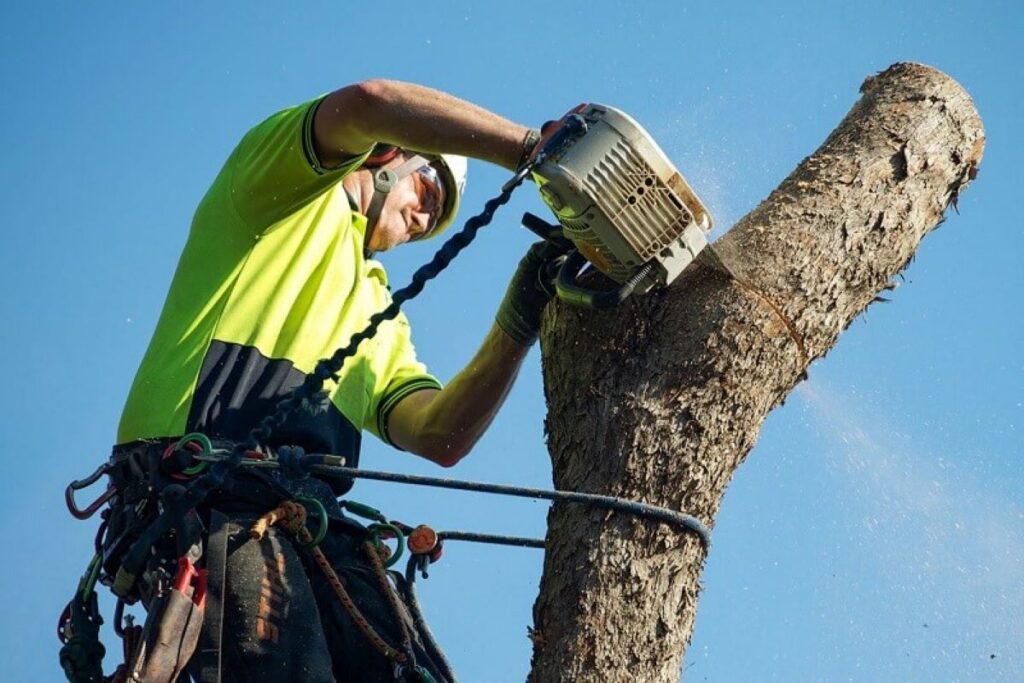
Do they consider what happens after removal, like stump grinding and replanting?
Yes, because the job is not finished when the trunk is gone. They check whether the stump can be ground below grade, whether roots may affect future landscaping, and how the site will be left.
A Chatswood arborist may also suggest replacement planting suited to the space, which helps maintain canopy cover and avoids repeating the same future conflicts.
What should they provide to the homeowner after the inspection?
They should provide a written summary of findings and a clear recommendation. That usually includes the reasons for removal, risk factors, and any permit considerations.
If needed for council, a Chatswood arborist can prepare an arborist report with photos and structured observations that support an application and explain why alternatives may not be suitable.
How long does an assessment usually take and what information helps?
Most straightforward inspections are quick, but complex sites take longer. It helps if the owner shares recent changes like excavation, drainage works, cracks in paving, or storm damage.
A Chatswood arborist can also work more efficiently if they know the goal upfront, such as insurance concerns, planned renovations, or a council compliance request.
What is the simplest way to think about “approval” for removal?
They are trying to justify necessity, not preference. A Chatswood arborist typically checks whether the tree poses an unacceptable risk, is in irreversible decline, or conflicts with the site in a way that cannot be managed reasonably.
When their checks show removal is the only practical option, their documentation and recommendations help the owner move forward with confidence and compliance.