

This guide shares practical, budget-aware corner sofa ideas that suit real homes, from small flats to family lounges.
What makes a corner sofa feel affordable and stylish at the same time?
A corner sofa feels affordable when it solves multiple problems at once: seating, zoning, and comfort, without needing lots of extra furniture. It feels stylish when the proportions are right for the room and the materials look intentional rather than flashy. If you’re comparing a Style Corner Sofa, pay close attention to scale, upholstery, and layout to ensure it complements the space while delivering long-term value.
They should prioritise clean lines, neutral tones, and legs that lift the frame off the floor. Those details often look more expensive than they are.
Which corner sofa shapes work best for different living room layouts?
The best corner sofa shape depends on how they move through the space. In open-plan rooms, an L-shape can define the living area without extra partitions. In boxy rooms, a compact corner design can free up a walkway.
They can also look for modular options, which let them swap the chaise side later. That flexibility helps the sofa last through future moves or re-layouts.
How can they make a small room work with a corner sofa?
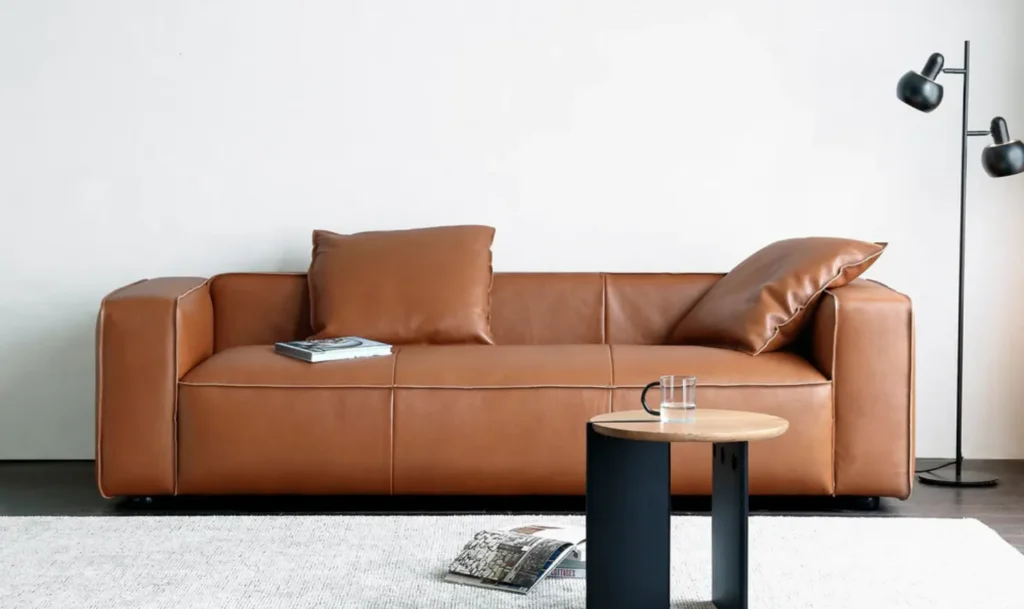
A small room can still suit a corner sofa if the scale is kept tight. Slim arms, a shallower seat, and raised legs reduce visual bulk and make the floor feel more open.
They should keep surrounding pieces light: a narrow coffee table, wall-mounted shelves, and one statement lamp instead of multiple side tables. This stops the layout from feeling crowded.
What colours and fabrics make a corner sofa look more expensive?
For a corner sofa, textured neutrals usually read as higher-end than flat, shiny fabrics. Think woven greys, oatmeals, soft taupes, or muted greens. These tones also hide wear better than pure white or jet black. For more decorating inspiration, explore this guide to timeless neutral colour palettes to create a living space that feels elegant and cohesive.
They can add richness with cushions rather than the main upholstery. That way, the base stays timeless, and the personality can change seasonally.
How can they style a corner sofa so the room feels personal?
A corner sofa becomes personal through layering, not through buying lots of new furniture. They can use cushions in mixed sizes, one throw with a clear texture, and a rug that anchors the seating area.
Personal items matter most: framed prints, books, ceramics, or travel photos. A living room feels like theirs when the styling hints at their routines and interests.
What are the best budget upgrades to pair with a corner sofa?
Small upgrades can make a corner sofa setup feel far more polished. A large rug is often the biggest visual win, as long as the front legs of the sofa sit on it. Good lighting is another shortcut, especially a warm floor lamp near the corner seat.
They can also swap generic cushion covers for linen-look or boucle styles. Even affordable covers can change the entire impression.
Where should they place a corner sofa to improve flow and comfort?
A corner sofa should support how they actually use the room. If the TV is the focus, they can angle the seating so the main section faces the screen, with the shorter return forming a cosy side. If conversation matters more, they can keep the sofa closer to the centre and add one accent chair opposite.
They should avoid blocking doors, radiators, and natural pathways. Good flow makes even simple rooms feel more “designed”.
How can they choose the right corner sofa without wasting money?
To avoid expensive mistakes, they should measure carefully and map the footprint with masking tape. A corner sofa needs space not just for its body, but for legroom, coffee table reach, and walking routes.
They can also check seat depth, back height, and cushion firmness for real comfort. A sofa that looks good but feels awkward rarely stays loved.
What corner sofa accessories should they avoid if they want a clean look?
A corner sofa can look messy fast if every surface is covered. Too many cushions, tiny rugs, or multiple clashing prints can make the room feel restless rather than personal.
They should keep it simple: a limited palette, one or two patterns, and a clear focal point like a bold artwork or a statement lamp. A calm base makes personal touches stand out more.
How can they make a corner sofa work for guests and everyday life?
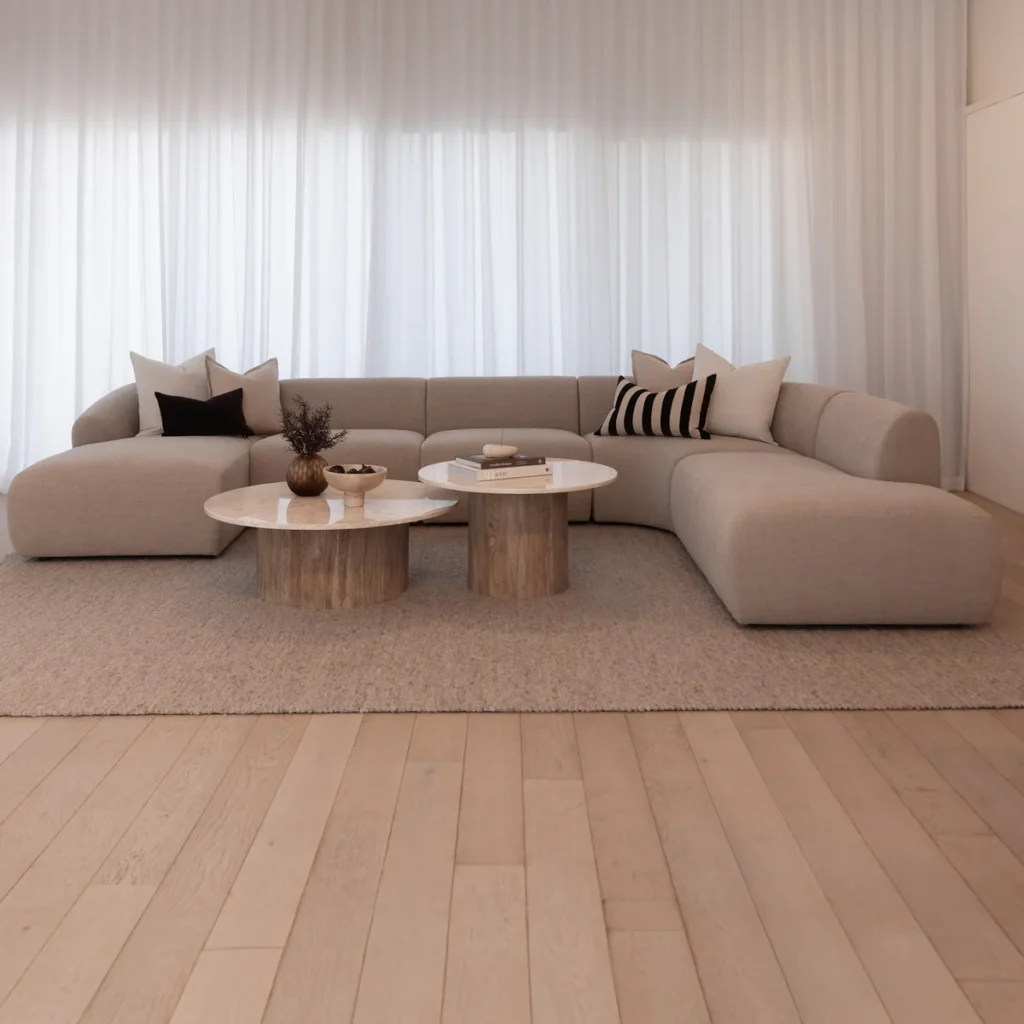
A corner sofa is ideal for hosting because it naturally creates a social zone. They can make it more guest-friendly with a few practical choices: washable throws, a side table within reach, and lighting that can switch from bright to cosy.
For everyday life, storage matters. If they choose a version with hidden storage or pair it with an ottoman, the room stays tidy without feeling sterile.
What’s the simplest way to pull corner sofa ideas together?
They should treat the corner sofa as the anchor, then build outward with just a few decisions: one rug, one main lighting piece, and a small set of cushions that repeat a colour from the room. Keeping those elements consistent makes the whole space feel intentional.
With the right layout and a few smart touches, a corner sofa can deliver affordable style that still feels personal and lived-in.
More about Buy Chaise Sofas: What Eco-Conscious Homeowners Should Check Before Choosing New Furniture