

The most effective way to get rid of termites in Sydney is to use a licensed pest controller who can confirm the termite species, find the colony’s access points, and apply a treatment that matches the property’s construction and risk level. In practice, that usually means a combination of a baiting programme and a chemical barrier, plus fixes that remove moisture and timber-to-soil contact.
Because termites can be active inside walls, subfloors, roof voids, and garden sleepers, DIY sprays rarely reach the nest. If the goal is to truly get rid of termites in Sydney, the approach needs to focus on the colony, not just the insects they can see.
Why is professional treatment usually the fastest way to stop termite damage?
Professional treatment is typically fastest because the technician can identify the infestation pattern and target the colony’s foraging network, not only the visible activity. That matters because termites can abandon a disturbed area and continue feeding elsewhere.
A trained operator also uses tools like moisture meters, sounding, borescopes, and thermal or radar options where appropriate. That level of inspection is often what makes the difference when trying to get rid of termites in Sydney before structural damage spreads.
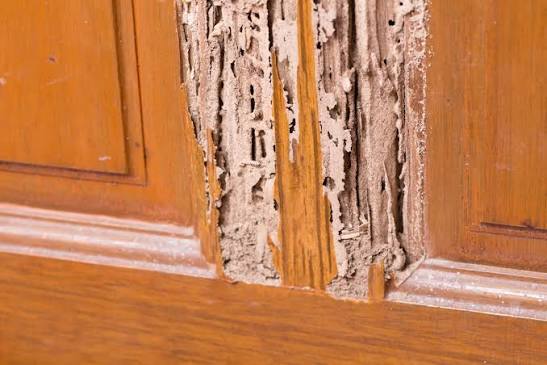
What’s the first thing they should do if they suspect termites?
They should avoid disturbing the area and arrange an inspection as soon as possible. Knocking out “mud tubes”, spraying household insecticide, or pulling apart timber can cause termites to retreat and relocate their activity.
If they need to take immediate steps, they can keep the area untouched, note where activity is seen, and reduce moisture where safe to do so. The quickest path to get rid of termites in Sydney starts with confirmation and mapping, not guesswork.
How do they confirm it’s termites and not ants or moisture damage?
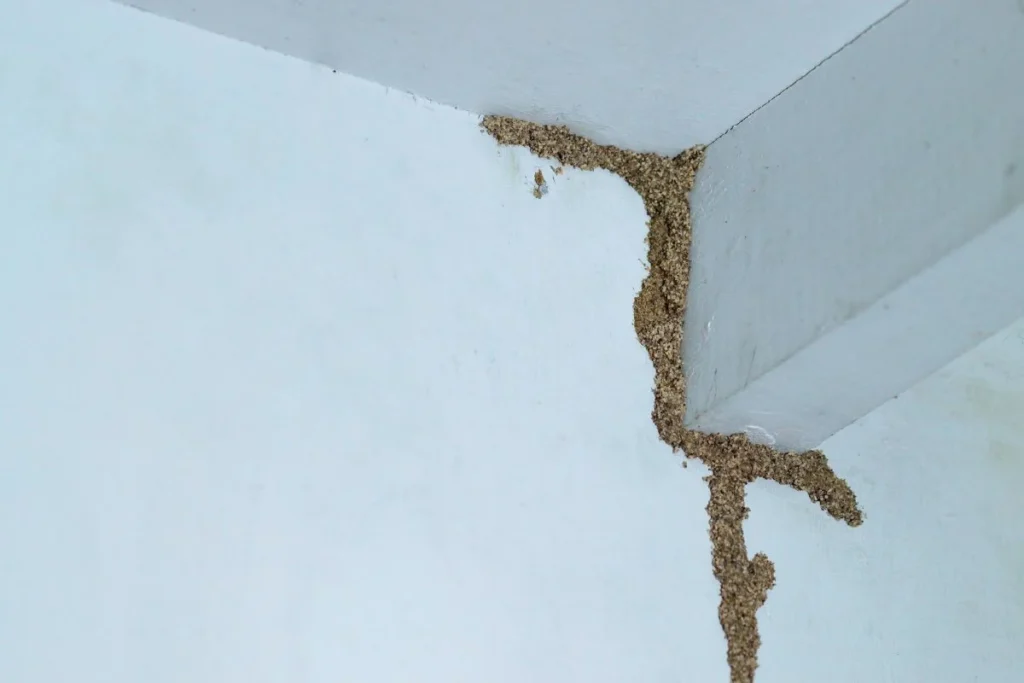
They confirm termites by recognising signs such as mud leads, soft or hollow-sounding timber, blistered paint, and fine earthen material in cracks. Flying termites (alates) and discarded wings near windows can also indicate a nearby colony.
A proper inspection will also check subfloor ventilation, garden levels, and plumbing leaks because these conditions often support termite pressure. Correct ID is a key step to get rid of termites in Sydney effectively, since different species and environments call for different tactics.
Which treatment actually works best: baiting, chemical barriers, or both?
In many Sydney homes, the best results come from using both, because each method covers the other’s weaknesses. Baiting targets the colony over time, while a chemical barrier reduces the chance of ongoing entry at the soil-to-structure interface.
A technician will usually recommend the mix based on access, slab type, landscaping, and how active the infestation is. When the goal is to get rid of termites in Sydney, the “best” treatment is the one that matches the building and stops re-entry.
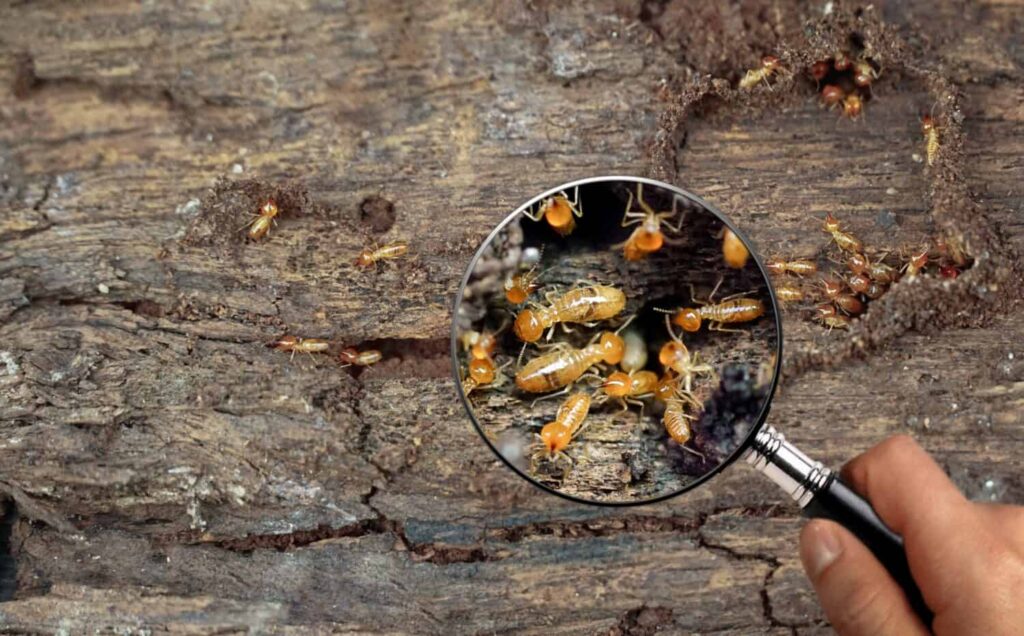
How do termite bait stations help eliminate the colony?
Bait stations work by giving termites a slow-acting growth regulator they share through the colony. Because it is slow, termites are less likely to detect danger and avoid the site, which helps spread the active ingredient.
Baiting is not always instant, but it can be highly effective at colony suppression or elimination when monitored and maintained. A well-run baiting programme is one of the most reliable ways to get rid of termites in Sydney without major disruption.
When is a chemical barrier the better option?
A chemical barrier is often the better option when the property can be trenched and treated properly, or when an immediate reduction in entry risk is needed. It is also useful where there is a clear perimeter and manageable landscaping.
Barriers can be installed around slabs, piers, and other access points, but they must be continuous to work well. For many properties, a barrier is a core part of the plan to get rid of termites in Sydney and keep them out.
Are “drill and inject” or foam treatments effective?
They can be effective for localised activity, especially in wall voids or specific timbers, but they are usually not a complete solution on their own. These methods may kill termites in a treated zone while leaving other parts of the colony active.
They are best used as part of a broader strategy that also addresses entry points and moisture issues. If they want to get rid of termites in Sydney rather than just reduce symptoms, local treatments should be paired with ongoing protection.
What makes Sydney termite problems different from other places?
Sydney’s mix of coastal humidity, warm summers, and varied housing styles creates ideal conditions for termite pressure. Many suburbs also have mature gardens, retaining walls, and older extensions that introduce hidden access routes.
Termites can travel from neighbouring trees, fences, or sleepers into a structure, often without obvious surface signs. That’s why the most dependable way to get rid of termites in Sydney includes both treatment and property changes that reduce risk.
What factors decide how much treatment costs in Sydney?
Cost is mainly driven by the size and layout of the property, the type of construction (slab vs subfloor), access issues, and how advanced the infestation is. Landscaping, paving, and retaining walls can also affect labour and material needs.
In Sydney, many homeowners see professional treatments ranging from a few hundred dollars for limited work to several thousand dollars for comprehensive barriers and ongoing baiting. To get rid of termites in Sydney properly, they should budget for both treatment and monitoring.
How long does it take to fully resolve a termite infestation?
Timeframes vary, but baiting programmes often take weeks to months to significantly reduce or eliminate colony activity. Chemical barriers can reduce entry risk quickly, but they do not “remove” a colony that is already established elsewhere.
A technician will normally schedule follow-ups to check activity, replenish baits, and confirm the system is working. Anyone aiming to get rid of termites in Sydney should expect a process, not a single visit miracle.
What should they do after treatment to prevent termites coming back?
They should focus on moisture control and access prevention. Fix leaks, improve drainage, keep weep holes clear, and ensure gardens and mulch are not built up against the house.
They should also avoid storing timber against walls and keep subfloor ventilation unobstructed. If they want to get rid of termites in Sydney for the long term, prevention is what stops repeat infestations.
How often should a Sydney home be inspected for termites?
Most Sydney homes should be inspected at least annually, and more often in high-risk areas or where previous activity has been found. Inspections help catch early signs before major repairs are needed.
Regular checks also confirm that bait stations are active and barriers have not been compromised by landscaping or renovations. Consistent inspections are a practical way to achieve lasting outcomes in termite control in Sydney.
What common mistakes make termite problems worse?
A common mistake is using DIY sprays or petrol-like products that repel termites rather than eliminating the colony. Disturbing mud tubes and damaged timber can push them deeper into the structure and hide their trails.
Another mistake is ignoring moisture sources such as leaking showers, failed waterproofing, or poor drainage. If they are serious about achieving results in termite control in Sydney, they should avoid panic actions and book a proper assessment.
What’s the simplest plan they can follow right now?
They can follow a three-step plan: book a licensed inspection, proceed with the recommended colony-focused treatment, and then commit to prevention and monitoring. This keeps the response structured and avoids half measures.
They should also ask for a clear scope that explains where termites were found, what treatment will be applied, and how follow-ups will work. That plan is the most consistent route to effective termite control in Sydney with fewer surprises and better long-term protection.