

How often should a homeowner arrange a termite inspection in Sydney? In most cases, the safest baseline is annually, because Sydney’s climate and housing stock can support termite activity year round. The exact timing still depends on the property’s risk level, construction type, and local conditions.
This guide explains practical inspection intervals, what changes the schedule, and how to stay protected without overpaying.
How often should most Sydney homes book a termite inspection?
Most Sydney homes should book a termite inspection in Sydney every 12 months. That annual rhythm is widely used because termite damage can develop silently and become expensive before anyone notices.
If the home sits in a higher risk area or has conditions that attract termites, they should shorten the interval. If the property is low risk and well maintained, annual checks still tend to be the simplest, most reliable plan.
When should they book a termite inspection every six months?
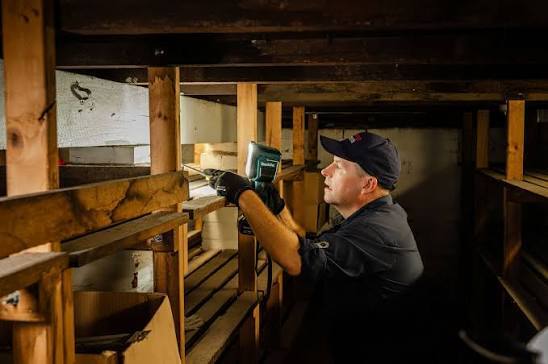
They should consider a termite inspection in Sydney every six months when risk factors stack up. This is most relevant for homes with a history of termite activity, nearby bushland, or lots of moisture around the subfloor or garden beds.
Six monthly inspections can also suit older timber heavy homes, properties with retaining walls and sleepers, and homes where access is limited and early warning signs are harder to spot.
Can some properties stretch to every two years?
Some low risk households may stretch a termite inspection in Sydney to every 18 to 24 months, but it is usually not recommended. Even in well cared for homes, termites can enter through tiny cracks, concealed expansion joints, or areas hidden behind storage and linings.
If they do extend the interval, they should have strong reasons, such as a modern slab on ground build, excellent drainage, minimal timber to ground contact, and no known termite pressure nearby.
What factors change how often they need a termite inspection?
The need for a termite inspection in Sydney changes with a few predictable factors: location, moisture, construction, and prior activity. If any of these move in the wrong direction, inspections should become more frequent.
Key risk factors include poor drainage, leaking bathrooms, air con overflow soaking soil, garden beds against walls, timber fences touching the house, and stored timber under the home. Renovations can also increase risk by disturbing soil or creating hidden entry points.
Does Sydney’s climate affect the inspection schedule?
Yes, climate is a major reason people keep a steady termite inspection in Sydney schedule. Warm conditions and periodic rainfall support termite foraging, and activity can continue even in cooler months, especially in sheltered subfloor zones.
Because there is no single “termite season” they can rely on, skipping a year can mean missing the early phase of an infestation when intervention is simpler and cheaper.
Should landlords and property managers book more often?
Landlords and property managers often benefit from a stricter termite inspection in Sydney routine, typically every 6 to 12 months. Rentals can have delayed maintenance, limited reporting of moisture issues, and stored items that block inspection points.
A consistent schedule also supports documentation. If they ever need to show they took reasonable preventive steps, regular reports can help demonstrate a pattern of care.
What about homes with termite barriers or baiting systems?
Even with protection in place, they still need a termite inspection in Sydney. Barriers can be bridged by landscaping changes or debris, and baiting systems need monitoring to stay effective.
Many households assume a barrier means they are “covered” indefinitely. In practice, physical and chemical systems reduce risk, but inspections catch breakdowns, bridging, and new conducive conditions before termites take advantage.
How can they tell if they have left it too long?
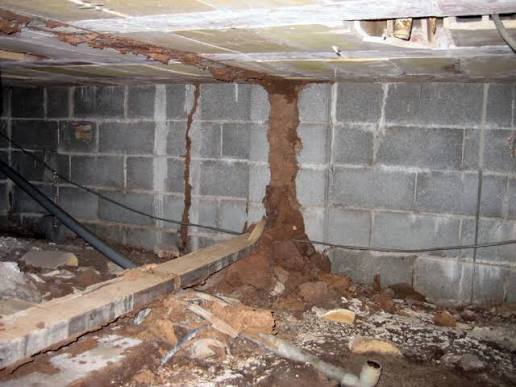
They might have left it too long if they notice mud trails on walls, tight doors, bubbling paint, papery sounding timber, or unexplained sagging in skirtings or floors. Unfortunately, termites often cause damage without obvious surface clues.
That is why a routine termite inspection in Sydney matters. Professionals look in subfloors, roof voids, weepholes, perimeter edges, and other places most people never check properly.
When is the best time of year to book an inspection?
They can book a termite inspection in Sydney at any time of year, but many prefer late summer through autumn because activity can be easier to detect and moisture issues from storms may show up.
The best timing is often simply the timing they will stick to. Booking the same month each year makes it easier to remember, compare reports, and spot changes in risk factors over time.
What should they expect a professional inspection to include?
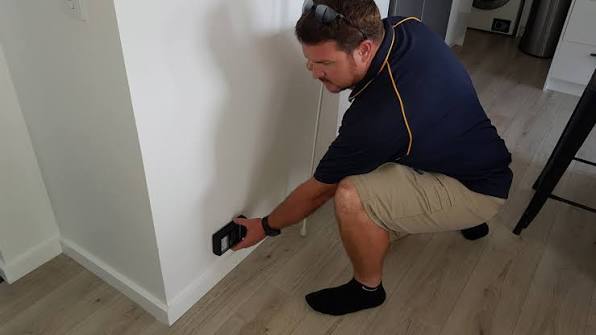
A proper termite inspection in Sydney should include a systematic check of accessible areas, the building perimeter, subfloor or slab edges, roof void access where available, and signs of moisture that attract termites.
They should also expect a written report that outlines evidence found, risk conditions, and practical steps to reduce risk. If access is blocked, a good inspector will note limitations clearly, because limitations can affect confidence in the results.
How much does an inspection usually cost in Sydney?
The price of a termite inspection in Sydney varies by property size, access, and construction type, but many standard inspections fall in the low hundreds of dollars. Larger homes, difficult subfloors, or combined pest inspections can cost more.
It often costs far less than repairing structural timber, replacing floors, or dealing with secondary issues caused by hidden damage. For many owners, that cost comparison makes annual inspections an easy decision.
What can they do between inspections to reduce risk?
Between appointments, they can reduce risk by keeping subfloor vents clear, fixing leaks quickly, and ensuring soil and garden beds do not cover weepholes. They should avoid timber to ground contact where possible and keep stored items away from perimeter walls.
These steps do not replace a termite inspection in Sydney, but they can lower the odds of termites settling in and make future inspections easier and more accurate.
How do they choose an inspection frequency that makes sense?
They should choose a frequency based on risk, not guesswork. For many, that means starting with an annual termite inspection in Sydney, then adjusting if the report highlights higher risk conditions.
If they are unsure, they can ask the inspector to explain the property’s specific risk drivers, what has changed since the last visit, and whether six monthly inspections would genuinely add value.
What is the simplest rule of thumb to follow?
A simple rule is this: book a termite inspection in Sydney every 12 months, move to every six months if risk is high, and do not rely on barriers or visual checks alone. That approach balances cost with realistic protection.
When they treat inspections as routine home maintenance, they are more likely to catch issues early, keep repair bills down, and protect the property’s long term value.
Other resources: Is home furniture outlet sydney Your Next Go-To for Home Furnishings?